
Home / Services / Root Canal Treatment

Root Canal Treatment in Prospect

If you have persistent tooth pain, or you've been told you may need a root canal, we'll assess the tooth carefully and explain your options. The aim is to remove infection and keep your natural tooth where possible.

What is root canal treatment?

Root canal treatment is a procedure to save a tooth when the nerve and soft tissue inside it (the pulp) have become inflamed or infected. The damaged pulp is removed, the root canals are cleaned and sealed, and the tooth is then restored so it can keep working.

Without treatment, an infected tooth may need to be removed. Root canal treatment gives you the option of keeping it where that is clinically appropriate.

When might root canal treatment be recommended?

Your dentist may recommend root canal treatment if a tooth is affected by:

  • Deep tooth decay
  • Dental trauma or injury
  • Infection inside the tooth
  • A crack or other damage that has reached the pulp

Some people come in because of severe tooth pain. Others find out at a routine examination or from an X-ray. Not every painful tooth needs a root canal, so an examination always comes first.

Experience in endodontics

Our principal dentist, Dr Dianne Haddad-Ferraro, has a particular interest in endodontics, the area of dentistry that covers root canal treatment. She has held roles with the Australian Society of Endodontology (SA).

Step by step

What to expect at Mydental

01

Diagnosis

We examine the tooth and take X-rays to understand what's happening. If you're in pain, your dentist may first remove the inflamed nerve tissue to relieve pressure before completing the treatment.

02

Treatment planning

Your dentist explains the findings and your options. You'll receive information about the recommended treatment, expected fees and the likely number of appointments before anything goes ahead.

03

Root canal procedure

The infected or damaged pulp is removed. The canals are cleaned and shaped with specialised instruments, then filled and sealed to help stop bacteria re-entering the tooth.

04

Restoring the tooth

A root-filled tooth needs a permanent restoration to protect it. This is often a crown, although some teeth suit a different restoration, depending on how much tooth structure remains.

05

06

Questions

Root canal treatment FAQs

Will every painful tooth need a root canal?

No. Tooth pain has many possible causes. A clinical examination is needed to work out the most appropriate treatment.

I'm in pain right now. What should I do?

Call us on 08 8344 4022. We'll do our best to arrange an appointment as soon as possible. Emergency Dentistry →

How many appointments will I need?

It depends on the condition of the tooth and your treatment needs. Your dentist will tell you the likely number of appointments during treatment planning.

Will I need a crown afterwards?

Many teeth benefit from a crown after root canal treatment to restore strength and function. Your dentist will advise whether a crown is recommended for your tooth.

Is root canal treatment suitable for everyone?

Suitability depends on the condition of the tooth, your overall oral health and the findings of your assessment.

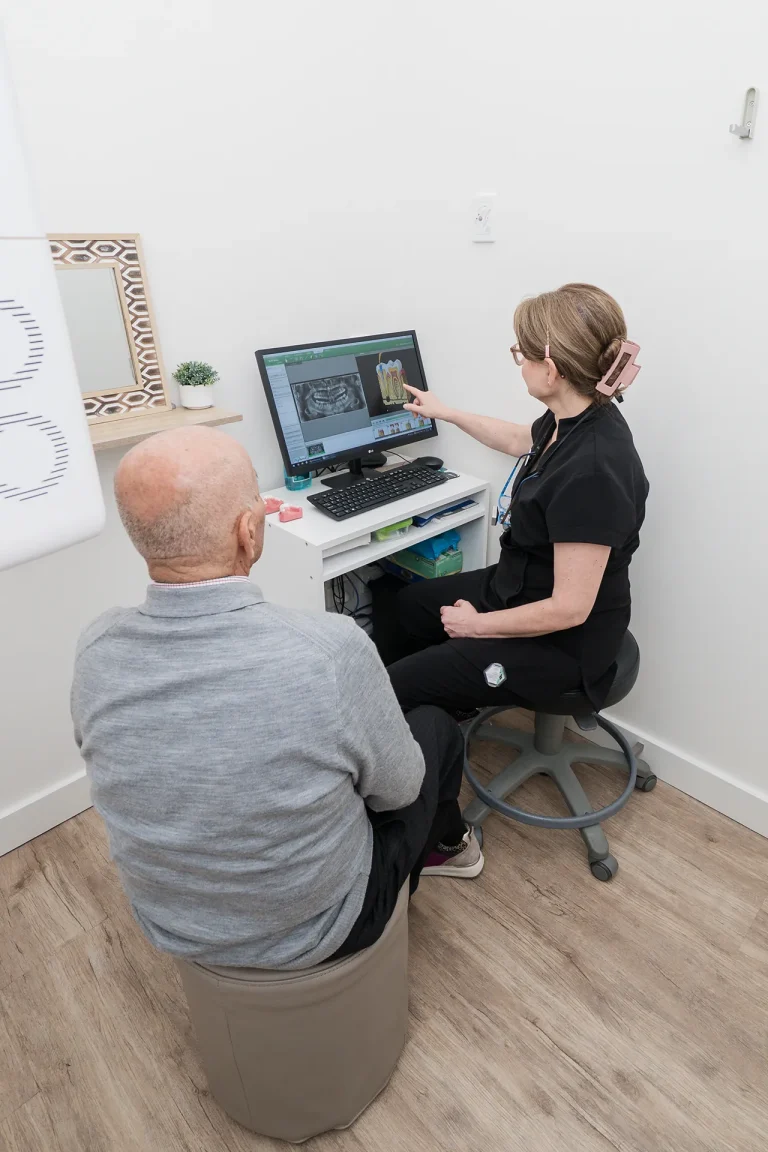
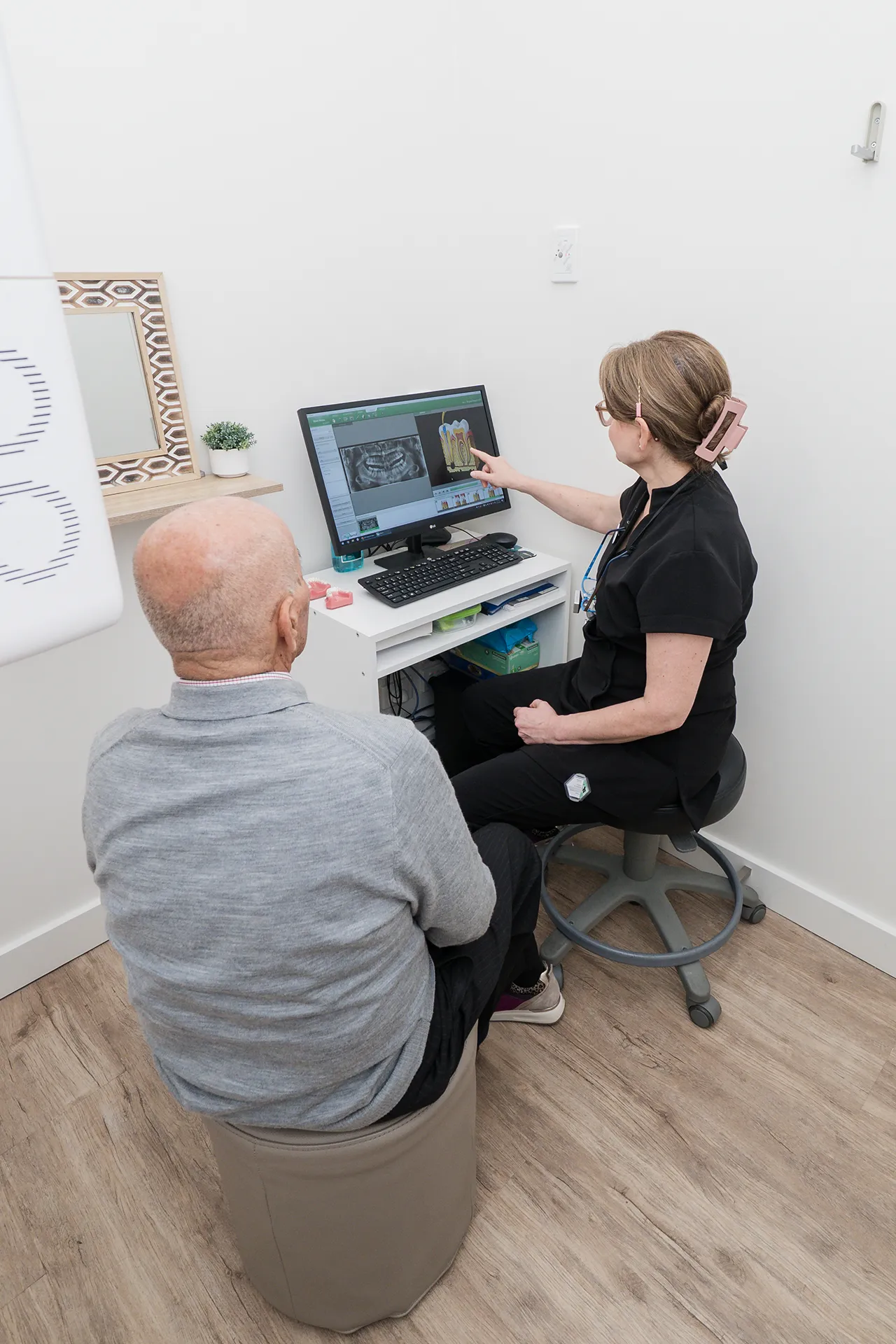
Dentist reviewing digital images with a patient

Patient experiences

What our patients say

“

Lorem ipsum dolor sit amet, consectetur adipiscing elit. Integer posuere erat a ante venenatis dapibus posuere velit aliquet. Cras mattis consectetur purus sit amet fermentum. Donec ullamcorper nulla non metus auctor fringilla. Vestibulum id ligula porta felis euismod semper. Maecenas faucibus mollis interdum. Nullam quis risus eget urna mollis ornare vel eu leo. Aenean lacinia bibendum nulla sed consectetur.

L

Lorem Ipsum

“

Lorem ipsum dolor sit amet, consectetur adipiscing elit. Nulla vitae elit libero, a pharetra augue.

D

Dolor Sit

“

Lorem ipsum dolor sit amet, consectetur adipiscing elit. Nulla vitae elit libero, a pharetra augue.

A

Amet Consectetur

The Mydental team

Our people

Meet our team

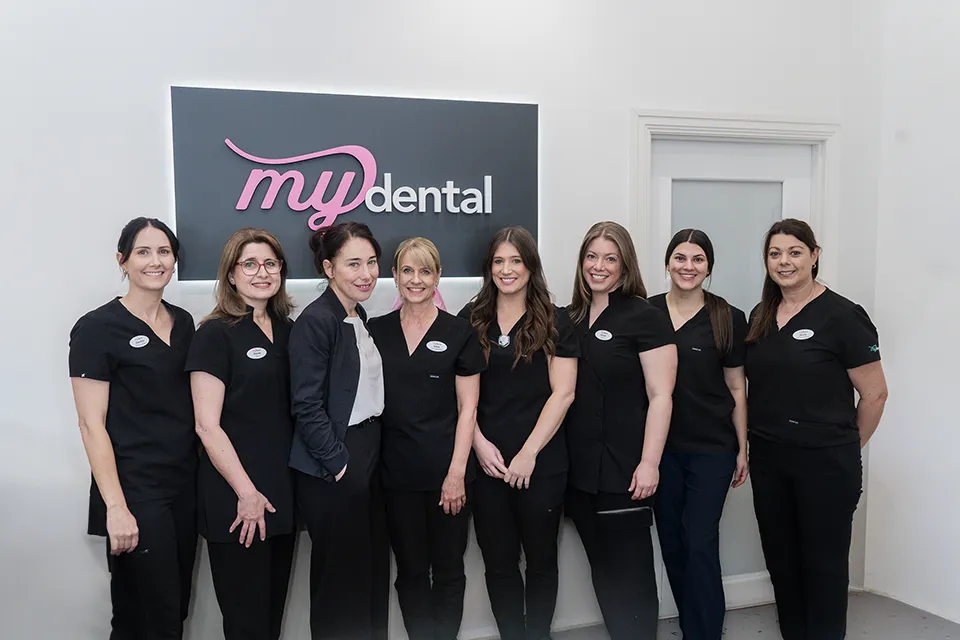
At Mydental, our practitioners work collaboratively to provide high-quality dental care tailored to each patient’s needs.

Our team is committed to ongoing professional development and patient-centred care, ensuring you receive thoughtful treatment recommendations and support throughout your dental journey.

Why Mydental

Why patients choose Mydental

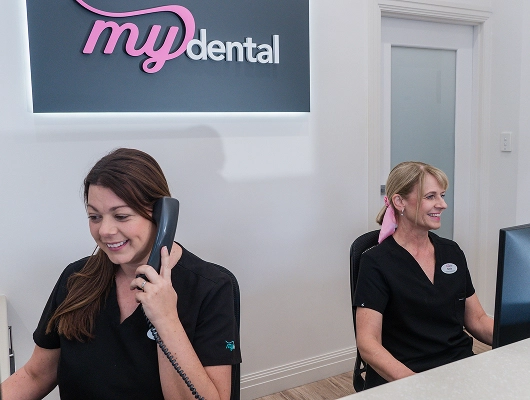
Mydental front desk team

Experienced Team

Our dentists and support staff work together to provide personalised care for every patient.

Family-Friendly Practice

We welcome patients of all ages and strive to create a comfortable experience for the whole family.

Modern Technology

We utilise contemporary dental technology to assist with diagnosis, treatment planning, and patient education.

Comprehensive Dental Services

We offer a broad range of dental treatments under one roof to support your ongoing oral health needs.

Convenient Prospect Location

Located on Prospect Road, Adelaide. Our practice is easily accessible for families and individuals seeking a trusted dentist. On street and carpark availability.

Ready when you are

Book online or call our team.

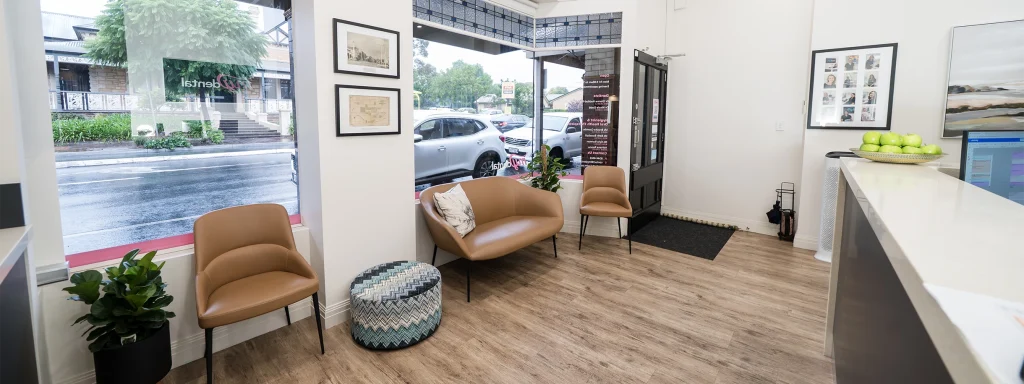
Mydental waiting room

Payment options

Health funds and government schemes

We welcome patients with all private health funds, with HICAPS claims processed on the spot. We also see eligible patients under DVA, CDBS (bulk billed for eligible children), GDS and EDS.

HICAPS

Private health funds

DVA

CDBS

GDS

EDS

Payment options
QIP accredited dental practice

Quality & patient safety

Committed to quality and patient safety

Mydental is a QIP-accredited dental practice. As one of the first dental practices in Adelaide to achieve accreditation, we're now in our fifth accreditation cycle — independently assessed against the National Safety and Quality Primary and Community Healthcare Standards.

Patient safety

Infection prevention

Clinical governance

Quality care

Book Your Root Canal Consultation

If you’re experiencing tooth pain or have been advised that you may require root canal treatment, we’re here to assess your oral health and discuss the most appropriate treatment options.

A timely assessment may help prevent further complications and determine whether the tooth can be preserved.